Unlocking Your Backyard’s Potential:
.
A Guide to understanding ADUs and DADUs in Bellingham
Bellingham is a city defined by its stunning geography and vibrant, distinct neighborhoods. However, as more people fall in love with the Pacific Northwest lifestyle, the housing landscape is shifting. Whether you’re looking to generate rental income, create a dedicated space for guests, or build long-term equity, Accessory Dwelling Units (ADUs) have emerged as one of the most powerful tools for local homeowners. In a market where space is at a premium, adding a secondary unit isn't just a home improvement project—it’s a strategic investment in the future of our community.
.
ADU vs. DADU: What’s the Difference?
While the terms are often used interchangeably, there is a distinct difference in how they sit on your property:
ADU (Attached Accessory Dwelling Unit): These are carved out of the existing footprint of your home. Think of a finished basement apartment, a converted attic, or a bump-out addition that shares a wall with the main house.
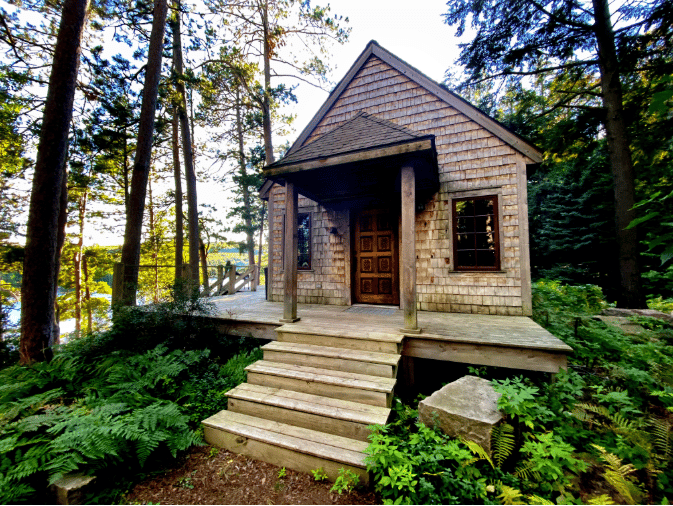
DADU (Detached Accessory Dwelling Unit): These are standalone structures. Popular examples include backyard cottages, carriage houses, or apartments built above a detached garage.
.
Navigating the Rules: The Bellingham Context
Bellingham has long been a leader in urban density through its Infill Housing Toolkit, which provides a roadmap for creative housing solutions. However, the biggest game-changer recently arrived at the state level.
Washington State HB 1337 has significantly streamlined the process for homeowners. This legislation essentially clears the path by limiting restrictive requirements—like off-street parking mandates or owner-occupancy rules—that previously made ADUs difficult to build. While the City of Bellingham continues to refine its local codes to align with these state mandates, the door is wider open than ever for those looking to expand their property’s potential.
Core Rules and Provisions of HB 1337:
• Number of ADUs Allowed: Jurisdictions must allow at least two ADUs (attached, detached, or a combination of both) on single-family residential lots located inside a designated Urban Growth Area (UGA), for any lot that meets the size/setback requirements. This means a property can potentially house a primary home plus up to two ADUs.
• No Owner-Occupancy Rule: Property owners are not required to live in the principal residence or any of the ADUs to rent them out.
• Size Limits: Cities and counties cannot restrict ADUs to smaller than 1,000 square feet of gross floor area. Minimum lot sizes for ADUs are also restricted or eliminated.
• Parking Exemptions: Local governments cannot require off-street parking for ADUs if the property is located within 0.5 miles of major transit. For homes outside of that radius, parking caps are limited to a maximum of 1 space for lots under 6,000 sq. ft. and 2 spaces for lots over 6,000 sq. ft.
• Impact Fees Capped: Impact fees charged by local jurisdictions for an ADU cannot exceed 50% of the impact fees charged for the primary single-family residence.
• Design and Setback Restrictions: Cities cannot enforce design standards, aesthetic rules, or review processes for ADUs that are more restrictive than those applied to the main single-family house.
• Separate Ownership / Condominiumization: The law allows ADUs and main houses to be sold separately through condominiumization, bypassing traditional, expensive land subdivision processes.
• HOA Restrictions: Homeowners associations (specifically those formed or updated after July 23, 2023) generally cannot use governing covenants to completely ban ADUs where state law permits them.
.
The Local Expert Directory
Building a secondary unit is a complex puzzle involving permitting, design, and construction. We are fortunate to have a wealth of specialized talent right here in Whatcom County. Here are the professionals leading the way in the Bellingham ADU space:
Consulting & Permitting
Larry Stoner Land Development Consultants: Larry has retired as of this publication, but his son Jesse now runs the company with his generational knowledge and lifetime of land use and permitting, who knows the ins and outs of local code.
AVT Consulting: Experts in navigating complex land-use entitlements and project management.
Harbor Hill Design and Development: Architect-led feasibility studies, zoning analysis, and development strategy helping property owners understand what they can build, what it may cost, and whether a project makes financial sense before committing to design and construction.
.
Design & Build Firms
Cove Development Consulting: Specialists in modern, efficient housing solutions.
Bellingham ADU Builders: A team dedicated specifically to the unique challenges and opportunities of accessory units.
Westerlies Design Build: Focused on sustainable, beautiful designs that fit the PNW aesthetic.
A1 Design Build: A worker-owned cooperative with a long-standing reputation for integrity and creative infill projects.
.
Legal Counsel
Carmichael Clark: Providing essential legal guidance on property rights and land use.
Limitless Law: Experienced and highly rated firm that specializes in real estate transactional and advisory services, with a focus on easements, deeds, non-sale family property transfers, and lease drafting for private landlords.
Zervas Law: Providing meaningful solutions in Land Use, Zoning and Planning since 2003.
.
Getting Started Checklist
If you’re considering an ADU, here is your roadmap:
Check Your Zoning: Confirm your lot size and zoning designation via the City of Bellingham’s interactive maps.
Assess Your Utilities: Determine if your current water and sewer lines can handle an additional unit.
Define Your Goals: Are you looking for a long-term rental, a short-term rental (subject to city rules), or a space for a loved one?
Consult the Pros: Reach out to a designer or consultant to draft a feasibility study.
Secure Financing: Talk to a lender about renovation loans or HELOC options specifically for ADU construction.
Analyze the Value: Understand how an ADU will impact your property’s market value.
Bonus resource: for a one page .pdf of the key terms you'll need to be familiar with as you dive into project feasibility (compliments of David Judge at Hilltop Haven Design and Development), email me at [email protected] and I'll send you the primer!
.
Ready to Explore Your Property’s Potential?
Adding an ADU is a significant undertaking, and it all starts with understanding the current value of your home and the potential ROI of your investment. If you’re curious about how a DADU might change your property’s equity or want to discuss the current market trends in your specific neighborhood, I’m here to help.
Contact Samantha Roeder today for a comprehensive property valuation and a deep dive into your real estate goals.