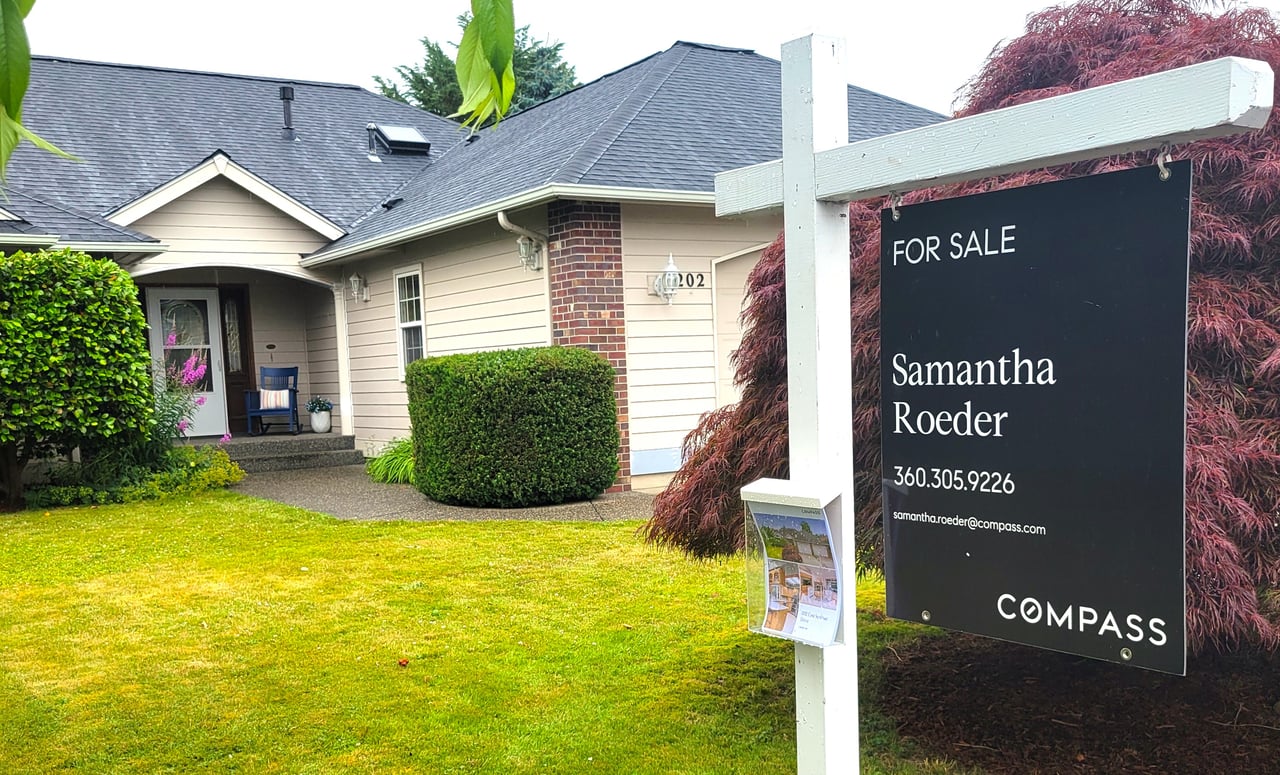
If you have lived in your Lynden home for decades, downsizing can feel like a big idea with a hundred smaller decisions behind it. You may be wondering when to start, what to do first, and how to make the move feel manageable instead of overwhelming. The good news is that a clear timeline can help you stay in control, protect your energy, and prepare your home well for a strong sale. Let’s walk through a practical downsizing plan for Lynden homeowners.
Why downsizing takes planning
In Lynden, the listing timeline and the downsizing timeline are often not the same thing. Local market trackers showed homes moving fairly quickly in May 2026, with median days on market or days to pending around the mid-teens, depending on the source. That means your home may sell faster than the sorting, packing, and decision-making process that comes before it.
That timing gap matters for longtime homeowners. The emotional work of deciding what stays, what goes, and where you want to live next usually takes much longer than getting a home on the market. Starting early gives you room to make thoughtful choices without feeling rushed.
Lynden’s own planning process also shows why this topic matters locally. Community outreach tied to the city’s comprehensive planning found demand for smaller homes, townhouses, condominiums, senior housing, ADUs, duplexes, apartments, and rentals. The same outreach summary reported that 35% of respondents were age 65 or older, so many local households are thinking about right-sizing and simpler living.
Start 6 to 12 months out
This is the best time to ask the big lifestyle questions. Before you sort a single closet, think about what you want daily life to look like after the move. You may want less yard work, fewer stairs, less upkeep, or a home that is easier to lock and leave.
This stage is also a good time to look at realistic housing options in Lynden and nearby Whatcom County. Based on local planning outreach, many people are searching for smaller homes, condos, townhomes, senior housing, ADUs, or rentals. The goal is not to force one answer, but to figure out which setup best matches your needs, budget, and comfort level.
A simple budget can help here too. Map out likely moving costs, closing costs, and any updates or repairs your current home may need before listing. If your next home includes shared maintenance through dues, that may also change your monthly housing picture in a helpful way.
Questions to ask early
- How much home maintenance do you want to handle in the next five to ten years?
- Do you want a single-level layout?
- Would a condo, townhome, or other lower-maintenance property fit your goals?
- Do you want to stay in Lynden, or widen your search within Whatcom County?
- What monthly payment range feels comfortable after the move?
Declutter 3 to 6 months before listing
Once you know where you are headed, you can begin the hands-on work. This is usually the longest phase because it involves years of belongings, paperwork, furniture, and memory-filled spaces. Starting with less emotional rooms can make the process easier.
Think utility areas first. A laundry room, guest room, garage, or hall closet often gives you quick wins and builds momentum. Then move room by room and create simple categories like keep, donate, sell, shred, and discard.
This is also the stage where support can make a real difference. Family, friends, or a professional organizer can help you stay on task and reduce decision fatigue. You do not have to do every part alone.
A simple room-by-room plan
- Start with storage areas and secondary rooms
- Sort one small zone at a time
- Remove unused items from closets and cabinets
- Set aside important records in one secure place
- Measure furniture you may want in your next home
- Donate or sell items before the final packing rush
There is also a real resale benefit to doing this work early. According to the National Association of Realtors 2025 staging report, 83% of buyers’ agents said staging made it easier for buyers to visualize a property as a future home. Decluttering is not just about your move. It also helps your home show more clearly when listing day comes.
Prep the house 1 to 2 months before listing
As your move plan takes shape, shift your attention to presentation. This is the time for repairs, touch-up painting, deep cleaning, and getting the home ready for photos and showings. In a market like Lynden, where homes can move quickly once they are well prepared, this step deserves focused attention.
Buyers tend to notice the same visible details during showings. Clean counters, tidy pathways, bright rooms, fresh bathrooms, and an uncluttered kitchen all help a home feel easier to understand. The goal is to let buyers see the space itself, not the to-do list.
If you have lived in your home for many years, this is also where a step-by-step plan helps most. Instead of trying to do everything in one week, break the work into categories and assign dates. That lowers stress and keeps the process moving.
Listing prep checklist
- Finish deferred small repairs
- Refresh paint where needed
- Deep clean kitchen and bathrooms
- Clear counters and open surfaces
- Remove excess furniture if rooms feel crowded
- Secure valuables and sensitive documents
- Gather manuals, warranties, and appliance information
- Schedule photography after cleaning and prep are complete
For homeowners who want extra support with presentation, this is often the point to ask about listing preparation resources and vendor coordination. A polished, well-planned launch can make a strong first impression.
Handle disclosures and taxes early
Once your home goes under contract, the process becomes more time-sensitive. In Washington, most residential sellers must provide a completed, signed, and dated seller disclosure statement no later than five business days after mutual acceptance, unless an exception applies or the buyer waived it. That makes document organization important before you are in the middle of packing.
Create one folder for the closing period. Keep disclosures, receipts, utility information, repair records, moving-company details, and appliance materials together so they are easy to find. A little organization here can prevent a lot of last-minute stress.
Sellers in Washington should also plan for real estate excise tax, which usually applies to the sale of real property and is typically paid by the seller. That cost should be part of your early financial planning, not a surprise near closing.
Property taxes matter too, especially for older homeowners weighing whether to move now or later. Whatcom County offers online filing for the senior citizen and people with disabilities property tax exemption program, and the county accepts applications online, by mail, or in person. Washington also offers property tax deferral programs for qualifying homeowners, but deferred taxes are repaid when the home is sold, so it is wise to factor that into your broader downsizing plan.
Choose the right next home
Downsizing does not mean there is one right answer for everyone. Some homeowners want a smaller detached house. Others prefer a condo, townhome, age-restricted community, ADU, or rental that reduces maintenance and simplifies daily life.
Lynden’s local planning outreach reflects that range of needs. Residents expressed interest in smaller homes, senior condos, townhouses, apartments, condominiums, senior housing, ADUs, duplexes, and rentals. That variety is helpful because it shows downsizing is not just about square footage. It is about finding a home that fits how you want to live now.
When comparing options, focus on function. Think about layout, stairs, storage, upkeep, parking, and how much space you truly use each day. A home that works better for your routine can be more valuable than a home that simply has more rooms.
Use local support during the transition
A move can feel isolating, especially when you are leaving a home filled with history. Staying connected to familiar routines and local resources can make the process easier. In Whatcom County, senior centers can be one practical source of community during a transition.
The county says it has eight senior centers, including the Lynden Community/Senior Center at 401 Grover Street. These centers are described as places where seniors can gather, enjoy social activities, eat a nutritious meal, and take classes. If packing and planning start to feel all-consuming, having a local place to reset can be a real help.
A simple Lynden downsizing timeline
Here is a practical way to think about the process from start to finish.
| Timeline | Main focus |
|---|---|
| 6 to 12 months out | Define your next lifestyle, explore housing options, build a budget |
| 3 to 6 months out | Declutter room by room, sort belongings, ask for help |
| 1 to 2 months out | Make repairs, deep clean, stage, and prepare for listing photos |
| After mutual acceptance | Complete disclosures, organize records, track closing tasks |
| Moving week and after | Unpack essentials first and adjust your new home over time |
The biggest takeaway is simple: start before you think you need to. In Lynden, your home may sell quickly once it is listed, but the real work of downsizing usually begins months earlier.
If you are thinking about a move and want a step-by-step plan built around your goals, local timing, and the kind of home you want next, Samantha Roeder can help you map out a thoughtful downsizing strategy from preparation through closing.
FAQs
When should longtime homeowners in Lynden start downsizing?
- A good planning window is 6 to 12 months before listing, because sorting, budgeting, and choosing your next home often take longer than the sale itself.
Why is early decluttering important before listing a Lynden home?
- Early decluttering gives you time to make careful decisions, reduces stress, and helps your home show better when buyers begin touring it.
What housing options should downsizers consider in Lynden?
- Local planning outreach points to interest in smaller homes, condos, townhomes, senior housing, ADUs, apartments, duplexes, and rentals, depending on your needs and budget.
What seller disclosure timing applies in Washington after mutual acceptance?
- For most residential sales, Washington requires the seller to provide a completed, signed, and dated disclosure statement no later than five business days after mutual acceptance, unless an exception applies.
How can Whatcom County property tax programs affect a downsizing plan?
- Property tax exemption or deferral programs may affect your timing and budget, so it helps to review eligibility early while you are deciding whether and when to move.
What local support is available in Lynden during a downsizing move?
- Whatcom County identifies the Lynden Community/Senior Center as a local place for social activities, meals, and classes, which can help you stay connected during the transition.