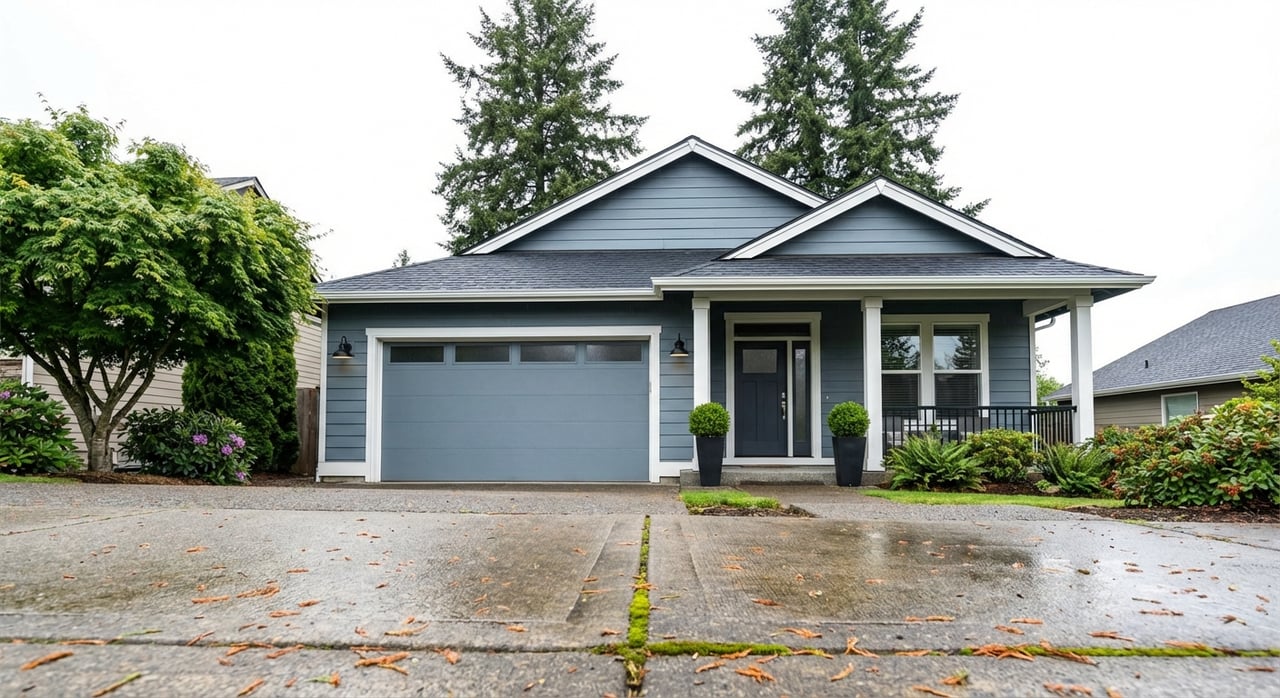
You found a home in Ferndale and you are ready to write an offer. Now comes the question that trips up many first-time and relocating buyers: how much earnest money should you put down, and how do you protect it? You want to look serious without taking on more risk than you need.
In this guide, you will learn what earnest money is, how it is handled in Washington, typical deposit ranges and timelines, how contingencies can protect your deposit, and how to tailor your strategy for Ferndale. You will also get a simple checklist and common pitfalls to avoid. Let’s dive in.
What earnest money is
Earnest money is a good-faith deposit that shows the seller you intend to buy the home. If the sale closes, your deposit is credited to you at closing as part of your purchase funds. The amount and instructions for handling the deposit are written into your purchase and sale agreement.
The deposit also gives the seller some security if you default. The exact outcomes depend on your contract and whether you follow deadlines and notice requirements.
Who holds the deposit in Washington
In Washington, the purchase contract specifies who will hold your earnest money and when it is due. Common holders include:
- A title or escrow company, which is most common
- A real estate brokerage trust or escrow account, if agreed in writing
- An attorney or other escrow agent when specified
Make sure the named holder is authorized to hold escrow and that you receive written confirmation when funds are received.
When you deposit the funds
The purchase agreement controls timing. It often states the deposit is due a set number of business days after mutual acceptance, frequently 1 to 3 business days. You should plan to have funds ready to deliver quickly, typically by wire or certified check, based on escrow’s instructions.
Always confirm wiring instructions directly with your agent and the escrow company. Verify wiring instructions by phone using a known number to avoid fraud. Keep the deposit receipt and a copy of your signed agreement.
How much to offer in Ferndale
There is no one-size-fits-all number. Typical earnest money deposits are often 1 to 3 percent of the purchase price. For lower-priced homes, buyers sometimes offer a flat amount such as a few thousand dollars. In very competitive situations, some buyers offer more, or agree to increased non-refundable terms. Your final decision should match your risk tolerance and the protections you keep in your contract.
Ferndale’s conditions can vary from nearby Bellingham and larger Puget Sound markets. In lower-inventory or seller-favored periods, sellers may prefer larger deposits or shorter contingency periods. In more balanced or buyer-favored periods, standard deposits and timelines are common. Ask your agent for current local data so your deposit fits today’s Ferndale market.
Contingencies that protect your deposit
Contingencies create a review or approval window. If you cancel within that window and follow the contract steps, your earnest money is usually refundable.
Inspection contingency
This gives you time to inspect the property and negotiate repairs or cancel. The period is commonly 5 to 10 days, but it varies. If you cancel within the inspection window per the contract, your deposit is typically refundable.
Financing contingency
This protects you if you cannot obtain a loan by the contract deadline. Periods often range from 21 to 30 days, depending on your lender and loan type. If your financing falls through within the deadline and you follow the notice requirements, your deposit is usually refundable.
Appraisal contingency
This helps if the appraisal comes in below the purchase price. It may allow you to renegotiate or cancel within the terms. Timing is often linked to your loan process and lender timelines.
Title and HOA document review
If a title issue or HOA restriction is discovered during the contract’s review period, you may have options to cancel with a refund of earnest money. Follow the contract’s notice steps to preserve your rights.
Sale-of-home contingency
If your offer depends on selling your current home, the deposit protection depends on the contingency’s timing and terms. Understand how deadlines and seller options affect your risk.
Removing contingencies
When you remove a contingency in writing, you accept the associated risk. If you later cancel for reasons covered by the removed contingency, you may forfeit the deposit.
Disputes and release of funds
If buyer and seller disagree about who is entitled to the deposit, the escrow holder usually retains funds until there is a mutual release, mediation or arbitration result, or a court order.
Offer strategies for Ferndale buyers
Use the deposit and timing to strengthen your offer while managing risk.
Standard competitive moves
- Offer a credible deposit, often 1 to 3 percent of price
- Shorten but do not rush contingency periods, such as a 5-day inspection if you have inspectors lined up
- Provide proof of strong financing, including a current pre-approval letter
- Consider an escalation clause or a plan for appraisal gaps, and understand the risks
Higher-competition options, higher risk
- Increase the deposit above typical ranges
- Make part of the deposit non-refundable upon certain milestones, if clearly stated in the contract
- Waive selected contingencies only if you fully understand the risk
Risk-mitigation tactics
- Keep essential protections, especially inspection and financing, unless you have cash or deep knowledge of the property and your loan
- Use shorter but realistic windows and coordinate with your lender and inspector before writing the offer
- If you increase the deposit, consider structuring it so you maintain refund rights during the inspection period
A simple earnest money checklist
- Confirm in your contract the deposit amount, who holds it, and the exact due date.
- Prepare funds in an accepted form, such as a wire or certified check.
- Confirm recipient details with your agent and escrow. Independently verify wiring instructions by phone to avoid fraud.
- Obtain a written receipt showing date, amount, and where funds are held.
- Track all contingency deadlines: inspection, financing, appraisal, title, and HOA review.
- Send any cancellation or contingency-removal notices in writing, as required by the contract, and keep proof.
- Keep organized records of all signed forms, emails, and receipts.
Common pitfalls to avoid
- Missing a deadline or notice requirement, which can endanger refundability
- Wiring funds without verifying instructions by phone, which risks wire fraud
- Naming one escrow holder in the contract yet sending funds elsewhere
- Waiving contingencies without understanding repair or financing risks
- Assuming the deposit is automatically refundable, which it is not
If a dispute comes up
Check your contract’s escrow and dispute provisions. Contact your agent and the escrow or title company. If needed, a real estate attorney can advise on next steps. Many matters resolve through mutual release or mediation or arbitration. If not, escrow can only release funds by agreement or court order.
Ready to buy in Ferndale?
Your earnest money is a powerful tool when it matches your goals, your protections, and current market conditions. With a clear plan, you can write a confident offer, protect your deposit, and move toward a smooth closing.
If you would like help tailoring a Ferndale offer strategy, connect with Samantha Roeder for local guidance and a step-by-step plan.
FAQs
What is earnest money in a Washington home purchase?
- It is a good-faith deposit credited to you at closing, held by escrow or another agreed holder, and governed by the purchase contract.
Is earnest money required for Ferndale, Washington offers?
- It is common and often expected, though the amount is negotiable and set in the contract between you and the seller.
How fast do I need to deposit earnest money in Washington?
- Many contracts require delivery within 1 to 3 business days after mutual acceptance, but the exact deadline is negotiated in your offer.
Who holds earnest money for a Ferndale purchase?
- Most deposits are held by a title or escrow company, though a brokerage trust account or attorney can hold funds if the contract specifies it.
Is earnest money refundable if I cancel after inspection in Washington?
- If you cancel within the inspection contingency window and follow the contract’s notice steps, the deposit is typically refundable.
What if the appraisal comes in low on my Ferndale home?
- An appraisal contingency may allow you to renegotiate or cancel; timing and outcomes depend on your contract and lender timelines.
Can I waive contingencies to be more competitive in Ferndale?
- You can, but it increases risk. If you cancel after waiving a protection, you may forfeit your earnest money.
How much earnest money should I offer in Ferndale?
- Many buyers offer 1 to 3 percent of price. Your amount should reflect current local competition, your risk tolerance, and the protections in your contract.
What happens if the buyer and seller disagree about the deposit?
- The escrow holder typically retains funds until there is a mutual release, mediation or arbitration result, or a court order.